15 Sep 2026 • 5m read
Best Motorcycle Airbags: A Buying Guide

Riding a motorcycle on the open road is a fun and exhilarating experience, but it also comes with real safety risks. Even the most experienced riders can be caught out by unexpected hazards. Wearing the right protective gear, from helmets to motorcycle gloves, plays a major role in reducing injury if something goes wrong.
In recent years, one innovation has gained serious attention for its ability to offer extra protection: motorcycle airbags. This guide explains how they work, what to look for when choosing an airbag vest or jacket, and which options stand out as the best motorcycle airbags available today.
Why Motorcycle Airbags Matter
When it comes to riding a motorcycle, the risks of injury are much greater in the event of an accident than if driving a car. With a motorcycle, you have greater exposure to the elements, and even a minor fall from a motorcycle can leave you with serious injuries. While airbags have been proven to reduce injuries in car accidents, until recently, the technology hasn't been available for motorcycles. Fortunately, the introduction of motorcycle airbags means there is now a safer way for riders to enjoy the experience of exploring the open road. Consider the following benefits of motorcycle airbags.
Better upper body protection
When an accident occurs, the upper body is particularly vulnerable to injury. Motorcycle airbags are designed to inflate almost instantly, cushioning the rider and helping to absorb impact forces. While motorcycle helmets and motorcycle jackets already provide vital protection for the head and torso, airbags add an extra layer of defence for the neck, chest, ribs and spine, areas that are often exposed in a fall.
Because motorcycle airbags deploy within milliseconds, they form a protective buffer around the torso at the moment it matters most. Depending on the system, airbags are available as standalone vests worn under or over a jacket, built into dedicated airbag jackets, or integrated into a full motorcycle airbag suit. This flexibility makes them easy to wear on the road while adding extra confidence and protection on every ride.
Less chance of serious injury
Even with high-quality motorcycle gear, a crash can still leave you with injuries like broken bones, damaged organs and even spinal injuries. Motorcycle jackets with airbags provide an extra layer of protection that reduces the risk of serious injury from blunt force trauma and the like. According to studies, injuries to the chest and back can be reduced by up to 50%, with recovery times and the need for medical treatment reduced by as much as 25%. That can mean less time dealing with injuries and a quicker return to riding, while also helping to keep medical costs down.
Long-term cost-effectiveness
Even if the upfront cost of motorcycle airbags feels high, the long-term benefits can make them a cost-effective investment. They can help reduce medical expenses after an accident and may also have a positive impact on insurance costs. Motorcycle jackets with airbags have been shown to reduce injury severity and the number of insurance claims, and some insurers take approved airbag systems into account when calculating premiums. It’s worth checking with your provider to see whether your motorcycle airbags qualify for any form of discount.

Types of Motorcycle Airbags
Now that we’ve covered how motorcycle airbags add extra protection in a crash, the next step is understanding the different types available. While motorcycle jackets with airbags are the most widely recognised option, there are several other airbag systems designed for different riding styles and uses. From motorcycle airbag suits to bike-mounted solutions, here are the main options to consider.
Airbag jackets
Airbag jackets are the most common type of motorcycle airbag system. These jackets feature built-in airbags that inflate almost instantly when a crash is detected. Activation can be electronic, using sensors in the jacket or on the motorcycle, or mechanical via a tether or pull cord.
The benefits of motorcycle jackets with airbags are wide-ranging. They provide added protection for the chest, back and shoulders while remaining lightweight and comfortable, often using breathable materials. Many airbag jackets can be reused after deployment, although some maintenance or cartridge replacement is required. They are also typically more affordable than full motorcycle airbag suits, making them a popular entry point for riders looking to upgrade their safety gear.
Motorcycle airbag systems
As an alternative to motorcycle jackets with airbags, motorcycle airbag systems are mounted directly to the motorcycle, usually on the frame or handlebars. Sensors on the bike detect a sudden stop, impact or fall and trigger the airbag to inflate, helping to protect the rider’s upper body during a crash.
One advantage of this setup is that no special clothing is required, allowing you to ride with your existing gear. However, these systems are fixed to a specific motorcycle, which can be a drawback if you own more than one bike or regularly change bikes. They also tend to be more expensive than motorcycle jackets with airbags. Even so, when correctly installed, they provide strong torso protection in the event of an accident.
Tethered airbag vests
A cheaper alternative to motorcycle jackets with airbags, tethered airbag vests are a standalone option in which a cord connects the vest to the motorcycle. If the rider is suddenly pulled away from the motorcycle, the cord is pulled, and the vest inflates. The vest can fit easily under your existing motorcycle jacket, although it may feel more bulky and less comfortable than integrated motorcycle jackets with airbags. As mentioned, these are a low-cost alternative to the other motorcycle airbags described here, and while not as effective, they do still reduce the risk of injury in the event of an accident.
Integrated airbag suits
Motorcycle airbag suits are the most advanced form of motorcycle airbags currently available and combine traditional body armour with integrated airbag protection. The suit covers much of the upper body, from the shoulders down to the hips, and uses high-quality materials to absorb and distribute impact forces. For this reason, these suits are widely used in motorsports by professional riders.
Sensors built into the suit detect a crash or impact scenario and trigger inflation almost instantly. While integrated airbag suits offer exceptional protection, they are bulkier and heavier than motorcycle jackets with airbags and are less practical for everyday riding. They are designed to be worn as a complete system rather than layered with regular riding gear, which also makes them a higher-cost option compared to other types of motorcycle airbags.

How Motorcycle Airbags Work
We've established that motorcycle airbags improve rider safety, but how do they work? Motorcycle airbags are made up of a complex system of components that work together to keep riders safe. Here are some of the common features found in motorcycle airbags and how they work.
Sensors
Most modern motorcycle airbags contain several sensors designed to monitor the movements of the rider and the motorcycle to detect impacts. Usually, this impact detection system consists of the following types of sensors:
Accelerometers are designed to monitor speed and detect rapid acceleration and deceleration.
Gyroscopes that monitor the motorcycle's position and detect any tilting or rotations.
Pressure sensors that monitor the rider's position and movement.
A central control unit that processes information from these sensors to determine if the airbag should be deployed.
These sensors are constantly monitoring for potential impacts, and should one be detected, the central control unit will send a signal to the airbag to inflate within milliseconds.
Airbag inflation mechanism
Once a signal is received from the main sensors, the airbag will instantly deploy to protect the body from injury. The airbag inflation mechanism consists of the following components:
An inflation mechanism that fills the bag with compressed gas or chemical propellants instantaneously.
The airbag, which is designed to inflate in less than 0.1 seconds of activation for instant protection.
A deflation mechanism that allows the airbag to deflate within five seconds of inflation, allowing the rider to regain full movement.
The airbag inflation mechanism is designed to inflate instantly, then deflate after a few seconds in order to ensure full protection during a serious crash.
How the airbag system works together
Having identified the various components of motorcycle airbags, we can better understand how they work. When an accident occurs, the sensors immediately process this information by detecting sudden changes to speed and movement. The sensors send information to the control unit, which then sends an activation signal to the airbag inflation mechanism. The mechanism inflates the airbag in less than 0.1 seconds and shields the rider from impact. A few seconds after impact, the bag deflates so the rider can regain mobility.

Key Features to Look For in Motorcycle Airbags
When it comes to choosing motorcycle airbags, you want one that can give you the best level of protection. There are several key features you should consider when choosing your airbags. Here we'll go through each one and show you what to look for in each category.
Deployment time
Perhaps the most important feature of any motorcycle airbag system is how quickly it can deploy when a crash is detected. Most airbags are designed to deploy within milliseconds of receiving an activation signal. At a minimum, your airbag should deploy within 0.25 seconds of an incident occurring to be considered effective.
Gear compatibility
Consider your existing motorcycle riding gear, such as your jackets, pants and gloves. Does the motorcycle airbag you wish to purchase fit in with what you currently have? Compare motorcycle airbags with your gear and make a choice that works with what you have, not against it.
Certifications
Even the cheapest motorcycle airbags out there should meet current safety standards. Airbags and other body armour, like back protectors, that have been tested for safety usually come with a CE rating of 1 or 2 according to standard EN1621-4. Some may use the SRA rating as determined by the CRITT protocol. In either case, make sure it is well certified before making a purchase.
Deployment type
As mentioned, while many motorcycle airbags use electronic sensors to detect when an airbag should be deployed, some models use mechanical devices such as cords to manually deploy in emergencies. Manual airbags are often less expensive than electronic ones. However, the electronic versions are more accurate and should be your first choice when choosing motorcycle airbags.
Coverage
How much of your body does your preferred airbag cover? At the bare minimum, your airbag should cover your chest, back, and shoulders as well as all internal organs. Motorcycle jackets with airbags are a good choice, while others, such as motorcycle airbag suits, cover the hips and upper legs in addition to the torso. While having more coverage is beneficial, weigh this up against overall cost and how often you ride.
Reusability
Most motorcycle airbags are designed to be reused after deployment. However, these airbags often need extra maintenance in order to be reused, such as installing new cartridges or replacing gas dispensers. Check the reusability of your preferred motorcycle airbags and how efficient they are when it comes to maintaining components.
Battery life
All electronic motorcycle airbags rely on battery power, which typically lasts a full day of riding and can extend longer when the system is in standby mode. Battery life varies between models, so it’s important to check how your airbag alerts you when power is running low. You should also consider recharge times, which in most cases range between 3 and 4 hours.
Comfort
How heavy and bulky is your airbag? When riding, you will want motorcycle airbags that are lightweight, easy to wear and flexible enough to allow for free movement. Also, consider purchasing airbag products that are made from breathable materials for extra comfort.
Weatherproofing
An essential quality of any motorcycle airbag is how effective it will be in the rain. Check that your chosen airbag has been certified for water resistance before making a purchase. That way, you can be sure you will be protected in all weather conditions.
Riding style
Are you a high-speed racer on the track? Do you prefer long rides exploring the open road or simply commuting within your local area? There are different motorcycle airbags that match each riding style. Rather than going for the most high-tech, expensive model on the market, consider which one will suit your lifestyle best.

How to Choose the Right Motorcycle Airbags
Now that you know all about motorcycle airbags, how they work, and what features to look for, you may be wondering what the best motorcycle airbags out there are. Here are some of the best quality airbags currently on the market.
1) Ixon Ix-Airbag U05 MC Airbag Vest
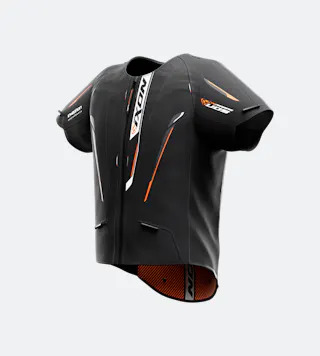
Built for adventurers and thrill-seekers, the Ixon Ix-Airbag U05 MC Airbag Vest offers both safety and comfort in any riding situation. Developed with the assistance of MotoGP riders, the vest features three fall detection modes: Road, Racing, and Adventure. Whether you are on the track or on the great open road, the Ixon Ix-Airbag U05 MC Airbag Vest offers protection in any situation. Made from 90% polyester, the vest is tough but lightweight, ensuring you are both comfortable and well-protected.
2) Furygan Airbag Evo MC Vest
The Furygan Airbag Evo MC Vest uses advanced In&motion Technology that inflates within 0.06 seconds of detecting an incident. It is made from ventilated and thermoregulated 3D Mesh Technology that keeps you comfortable at a consistent temperature, no matter what the external conditions are like. At 1.3kg, it is one of the lightest airbag vests on the market, and is made from 76% Polyamide, ensuring a comfortable fit no matter what body shape you have. A great choice that balances comfort with maximum protection.

3) Ixon IX-Airbag U04 Airbag Vest
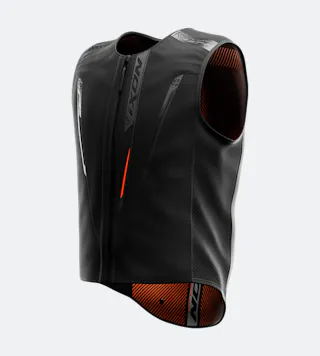
Developed in collaboration with professional racers in MotoGP, EWC and FSBK, the Ixon IX-Airbag U04 Airbag Vest is one of the best on the market, with a 5-star SRA rating. It is designed to fit underneath any motorcycle jacket seamlessly, and features an independent electronic detection system that allows for inflation in just 22 milliseconds of activation. Completely wireless with no sensors or cables required, this is an airbag vest that you can easily wear, and it won't impede your ride.
4) Bering Air EVO Airbag Strap
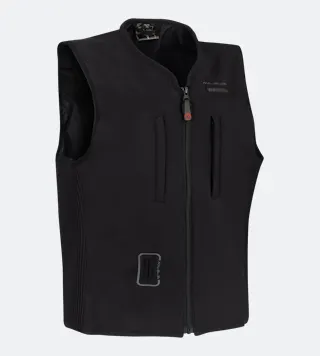
The Bering Air EVO Airbag Strap has been designed with comfort, safety and ease-of-use in mind. It has been designed for easy handling, so you can slip it on and wear it without the need for complicated fastenings. All safety components are integrated within the vest without the need for additional devices or accessories. For a simple, no-thrills airbag vest that is comfortable to wear, easy to put on and offers full safety on the road, the Bering Air EVO Airbag Strap is one of the best choices available.
Conclusion
Motorcycle airbags are an important safety feature that can help protect your upper body from injury during a crash. Not only do they protect your body from serious injury, but they can also help reduce both recovery time and the frequency of hospital visits. They may also help cut down on your insurance premiums. There are many types of motorcycle airbags, from motorcycle jackets with airbags to fully integrated motorcycle airbag suits. Consider features such as comfort, ease of use, inflation time and certifications when choosing the right motorcycle airbag for your needs.


