29 Sep 2026 • 5m read
How to Charge Your Motorcycle Battery

Charging a motorcycle battery is a job most riders will want to be comfortable with doing at home. You can find out more about motorbike batteries in the XLMoto Ultimate Guide to Motorcycle Batteries. In the meantime, learn how to charge your motorcycle battery with XLMoto, so you'll always have sufficient power.
Tools and Equipment to Charge Your Motorcycle Battery
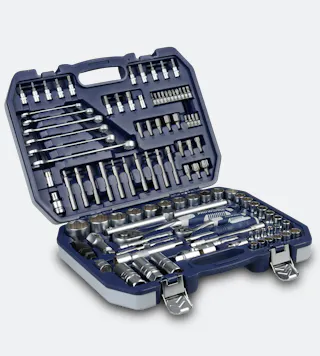
Before charging your motorcycle battery, make sure you have the right tools and equipment ready. Using suitable gear helps ensure safe handling and prevents avoidable damage. Most of these items are easy to find and may already be in your garage.
A motorcycle-compatible battery charger or a smart charger
Mains electrical supply and an extension lead (if needed)
A spanner or socket set for removing the battery (if required)
Protective gloves to handle the battery safely
Safety goggles to protect eyes from acid splashes
A clean rag for wiping terminals
A fine wire brush for removing corrosion (if needed)
A multimeter for checking battery voltage



How to Prepare the Battery for Charging
Knowing how to charge your motorcycle battery correctly means knowing how to do the job safely. These are the key things to bear in mind.
Safety Precautions
Turn off your bike's ignition and remove the key to prevent an accidental restart during charging. Wear goggles and gloves when handling batteries for your own protection. Work in a well-ventilated space, such as a garage with the doors open. Finally, to reduce the risk of a short-circuit, always connect the negative terminal last and disconnect it first.
Checking Battery Condition
Visually inspect your current motorcycle battery to check it for signs of damage. Swelling, cracks or signs of leaks may mean your battery is unsuited to charging. If this is accompanied by a strong sulphurous odour, then you are likely to need a replacement instead. Use a multimeter to check the voltage and assess the current charge level, so you'll know how much charge is likely to be needed and so you can compare it before and after charging.
Locating and Removing the Battery (If Needed)
You can learn about the method needed to remove motorbike batteries in the XLMoto guide, How to Replace Motorcycle Batteries. Most bike batteries are quite easy to locate, and not all of them need to be removed to recharge them. Your motorbike's owner's manual will give you information on whether this is necessary or not. It should also provide instructions for the correct removal of a battery for the model concerned. In all cases of removal, however, you should disconnect the negative terminal first, then the positive one.

Step-by-Step: How to Charge Your Motorcycle Battery
Connect the Charger Correctly
To begin with, attach the positive (red) charger lead to the battery's positive terminal, typically indicated with a + symbol. Next, connect the negative (black) lead to the motorcycle battery's negative (-) terminal or a suitable grounding point. Before doing anything else, you should confirm that the clamps are securely in place on their corresponding terminals and that they are not touching each other or any surrounding metal parts.Set the Right Charging Mode
On the charger, select the charging mode that matches your battery type. The most common types of motorcycle batteries are lead-acid, AGM and lithium. Most charging units should have settings for all of these. A low amp or maintenance mode charge is best to fully restore a dead battery. Generally speaking, booster charging modes should be avoided unless the battery manufacturer explicitly states they can be used.Start the Charging Process
Plug the charger into the mains electrical supply only after you have completed steps 1 and 2. Switch the charger on to begin the motorcycle battery replenishment. Keep children and animals away from the area throughout the charging process.Monitor Charging Progress
It is advisable to check the charger's display periodically for the current charging status. Some have indicator lights rather than a display, but either way, it helps to determine when the battery has been fully charged. Switch the charger off at the mains if it starts to smell, swell or produce excessive heat.Disconnect the Charger Safely
Before removing leads from the battery's terminals, switch the charger off. Disconnect the negative (black) lead first and then the positive (red) lead. If you removed the motorcycle battery from your bike, now is the right time to reinstall it.

Common Mistakes to Avoid
Check out the XLMoto guide, Choosing the Right Motorcycle Battery, if you want guidance on replacing your battery. In the meantime, here's what you need to know about how to charge your motorcycle battery while avoiding the most common pitfalls.
Overcharging the Battery
Electrolyte losses or shortened battery lifespan can occur if you overcharge a battery. Leaving it connected after it has reached a sufficiently high charge level, therefore, can be wasteful. Automatic chargers can deal with this issue for you by stopping the supply when necessary, but it is still worth checking from time to time, as outlined above.
Using the Wrong Charger
Charging your motorcycle battery with a charger that's not designed for this sort of job can risk internal damage. Even if the charger is close enough not to cause physical damage, it may supply the incorrect voltage or amperage for the type of battery you have. Wrong charger usage also typically results in poor charge retention or, at the very least, regulator stress.
Charging a Damaged Battery
Cracked, leaking or bulging batteries are not suited to charging, and you should avoid this surprisingly common practice. Dangerous acid leakage or even starting a fire may result from charging a damaged motorcycle battery. Problematic batteries may have internal damage you cannot see. If so, you'll often notice excess heat. Stop the charging process if you have any doubts.
Ignoring Safety Precautions
Charging a battery where others could potentially trip over leads, touch the terminals or similar will inevitably cause safety issues. Charge in a well-ventilated, safe space with sufficient room to do the job safely. Always disconnect the battery correctly beforehand.

How Long Does It Take to Charge a Motorcycle Battery?
The length of time motorcycle batteries take to charge varies depending on how discharged they are, the type of charging technology used and the mode of operation that's employed.
Charging Time by Battery Type
Lead-acid batteries, the most common type, usually take somewhere between 12 and 24 hours to fully charge with a common trickle or a smart charger. By contrast, an AGM motorcycle battery will often charge somewhat faster, usually taking between 6 and 12 hours, depending on the charger's output and the battery's rating. Finally, lithium motorcycle batteries often charge in even less time, sometimes needing as little as two hours. You'll only get these sorts of results when using a lithium-compatible charger, however.
Signs the Battery Is Fully Charged
Many chargers will indicate they've finished the job on their displays, and some switch modes at this point automatically. If there's no further increase in the charge level of your motorcycle battery after an extended charging time, then the reason is that it's probably fully charged.

Tips for Better Battery Life
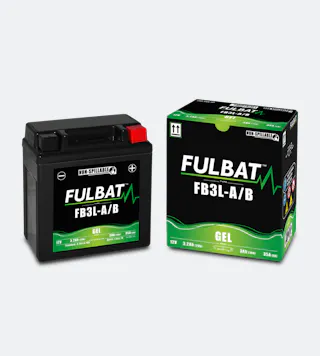
A motorcycle battery will lose charge when it is not in use over time. You can extend the life of your battery by keeping it topped up with power over periods when you might not be riding as much, if at all. This is often the case among motorbike owners who only ride in the warmer, summer months, for example, and not during the winter.
If your bike is scheduled to be stored for more than a couple of weeks at a time, then connecting it to a battery maintainer can be beneficial. In addition, keeping battery terminals clean and free from corrosion will help to preserve the life of your battery, something that takes minimal effort with a wire brush.
Note that vibration damage can also impact the lifespan of a motorcycle battery. For this reason, it is important to reinstall the battery you removed to charge correctly. An ill-fitting battery that's not snug in its battery tray may lose charge prematurely. Finally, if your battery needs constant recharges, then it may be down to the sort of riding you do. Lots of short rides can account for a battery that doesn't recharge on its own, so take your motorbike out for a longer spin to see if this helps.
Can You Charge a Motorcycle Battery With a Car Charger?
Since they tend to come with higher output ratings than most motorcycle battery chargers, it is not always advisable to use a car charger on your bike's battery. Overcharging can occur with non-smart car chargers, even if they have a low-amperage motorcycle charging mode and no automatic cut-off. In short, only use an approved motorcycle battery charger or booster that matches the type of battery technology you have.

